

Workshop Roles
These cards represent the different roles participants can have in workshop

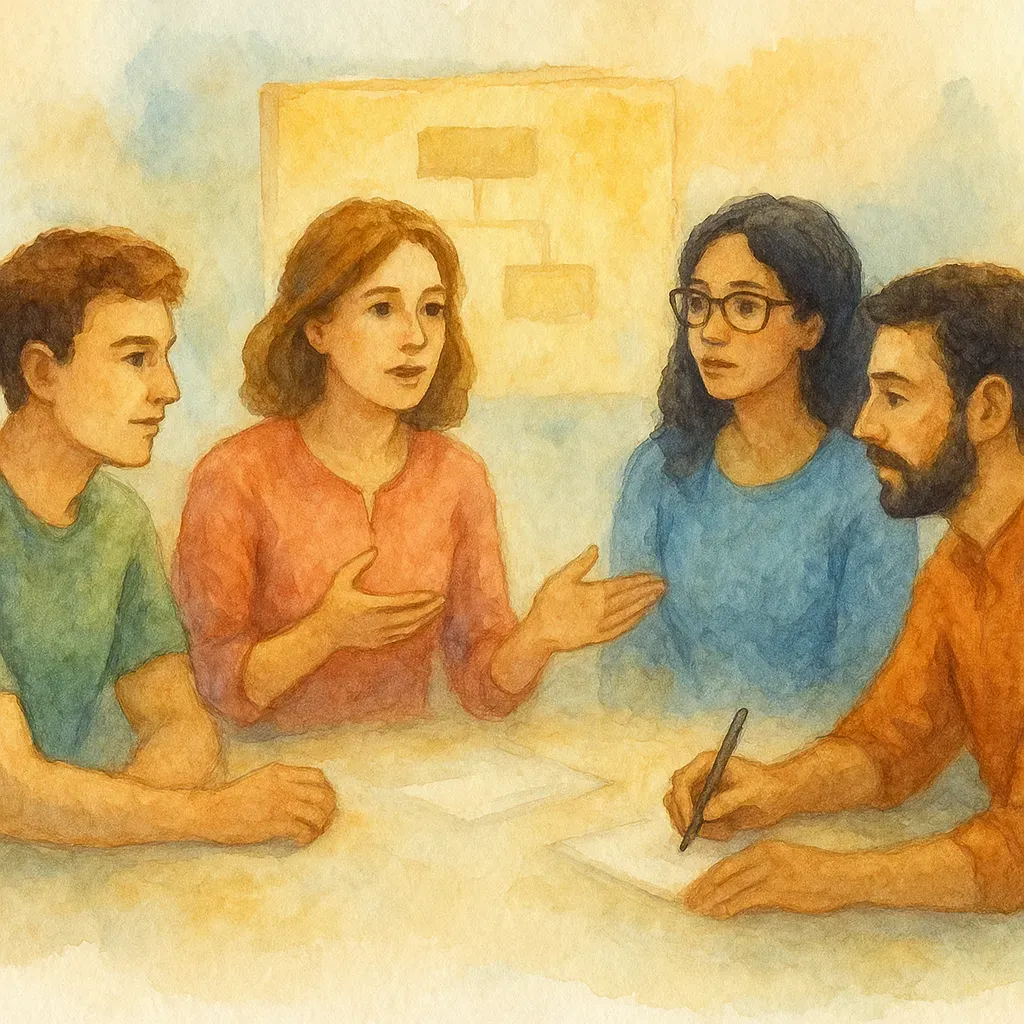
These cards represent the different roles participants can have in workshop. They are meant to be used in different ways, based on group size and on the group goal.
Workshop Roles
Workshops
The Bard is the group's spokesperson, the one who synthesizes and communicates the team's decisions and discoveries. With charisma and clarity, they know how to translate collective work into an engaging narrative. They don't speak for themselves but amplify the group's voice, ensuring every contribution finds its place in the final story.
The Hourglass is the gentle yet resolute guardian of time. Not a simple timekeeper, but a rhythm director: they warn when it's time to shift gears, protect spaces for reflection, and ensure the group reaches its destination without rushing. They know when to grant "one more minute" and when it's truly time to turn the page.
The Navigator is the silent guide of the process. They read the map, anticipate obstacles, suggest alternative routes when the group gets stuck. They don't impose direction but help the team find its own path, asking illuminating questions and ensuring every voice contributes to the journey. They are masters in the art of bringing out the best in the group.
The Scout is the designated explorer, blessed with the freedom to venture beyond their group's boundaries. With curiosity and discernment, they visit other teams, observe their processes, and "borrow" the most brilliant ideas—always with respect and attribution. They act as cross-pollinators, bringing fresh perspectives and unexpected connections back home, enriching the group's creative palette with external inspiration. They are diplomats and learners, building bridges while gathering gems.
The Spark is the emotional thermometer and energizer of the group. They sense when spirits are flagging and know exactly how to rekindle the fire—whether with humor, encouragement, or celebrating progress. They remind the team why the work matters, acknowledge contributions, and create an atmosphere where everyone feels valued. Their positivity is contagious but never forced; they're authentic cheerleaders who believe in the group's potential.
The Scribe is the group's memory keeper. They don't just record mechanically but discern what's essential, capturing key insights, brilliant phrases, and the evolution of ideas. They create a visual or written narrative that the group can revisit, ensuring nothing valuable is lost. They have the gift of synthesis, transforming scattered thoughts into coherent documentation that honors everyone's contributions.
The Gardener is the heart of creative collaboration. They bring their own seeds of ideas but are equally skilled at nurturing others' contributions. They listen deeply, build on suggestions, ask "what if" questions, and help half-formed thoughts grow into full proposals. They create fertile ground where everyone's ideas can take root, believing that the best solutions grow from collective cultivation rather than individual brilliance.
The Gardener is the heart of creative collaboration. They bring their own seeds of ideas but are equally skilled at nurturing others' contributions. They listen deeply, build on suggestions, ask "what if" questions, and help half-formed thoughts grow into full proposals. They create fertile ground where everyone's ideas can take root, believing that the best solutions grow from collective cultivation rather than individual brilliance.
The Jester holds the ancient privilege of speaking uncomfortable truths through humor. When the group gets too serious or stuck in one mindset, the Jester offers a different lens—often through playful challenges, absurd questions, or well-timed levity. They're not just comic relief; they're provocateurs who use laughter to shake loose rigid thinking and open new creative pathways.
The Bridge has a unique gift for seeing connections others miss. They link seemingly unrelated ideas, draw parallels between different group members' contributions, and synthesize diverse perspectives into coherent wholes. They're also socially attuned, noticing when someone wants to speak but hasn't found the opening, and creating space for those voices. They weave the group's collective intelligence into something greater than the sum of its parts.
The Mirror doesn't oppose for opposition's sake but offers critical reflection. They ask "What could go wrong?" "What are we not seeing?" "Who have we forgotten to consider?" They help the group stress-test ideas with compassion, ensuring solutions are robust and well-considered. Their role is not to dampen creativity but to strengthen it through constructive challenge.
The Dreamer has a special mission: to protect wild, seemingly impossible ideas from being dismissed too quickly. When someone says "This might sound crazy but..." the Dreamer ensures that thought is captured and explored. They understand that today's "impossible" might be tomorrow's innovation, and they create a safe space for blue-sky thinking even as the group grounds other ideas in reality.
The Anchor is the stabilizing force within the group, providing a sense of security and balance. They are the ones who ensure that the team remains grounded, especially when ideas start to drift too far into the abstract. The Anchor reminds the group of their core objectives and values, helping to align the team's efforts with their ultimate goals. They are not resistant to change but ensure that any shifts are deliberate and meaningful, preventing the group from being swept away by every new trend or idea. Their presence is calming, offering reassurance and a steady hand when the waters get choppy.
The Architect is the mastermind behind the scenes, ensuring that every logistical detail is meticulously planned and executed. They coordinate resources, manage schedules, and anticipate needs, allowing the group to focus on their creative and collaborative tasks without distraction. The Architect is adept at problem-solving on the fly, adapting plans as necessary to accommodate unforeseen challenges. Their role is crucial in creating an environment where the workshop can thrive, providing the structure and support needed for success.
The Catalyst is the agent of change within the group, always ready to challenge the status quo and ignite transformation. They are not content with "how things have always been done" and constantly seek new ways to innovate and improve. The Catalyst asks provocative questions that push the group to think differently and explore uncharted territories. They are fearless in the face of uncertainty and inspire others to embrace change as an opportunity for growth. Their energy is infectious, and they have a knack for turning obstacles into stepping stones, helping the group to evolve and adapt in a rapidly changing world.
The Harmonizer is the group's emotional and relational glue, ensuring that interactions remain respectful and productive. They are attuned to the group's emotional undercurrents and work to resolve conflicts before they escalate. By fostering an atmosphere of trust and mutual respect, the Harmonizer helps the group maintain a positive and collaborative spirit. They are skilled in active listening and empathy, often mediating when tensions arise and ensuring that every voice is heard and valued. Their presence is subtle yet powerful, creating a safe space where creativity and collaboration can flourish.
The Facilitator is the conductor of the workshop, guiding the group through the agenda with grace and precision. They ensure that every participant has a voice, balancing the needs of the group with the objectives of the session. The Facilitator is adept at reading the room, knowing when to push forward and when to pause for reflection. They create an environment where ideas can flourish, managing dynamics and energy levels to keep the group engaged and productive. Their role is to support the group in achieving their goals, providing structure without stifling creativity.
The Leader is the visionary and guide, steering the group towards its goals with wisdom and inspiration. They are not just about authority but about empowering others to find their strengths and contribute meaningfully. The Leader sets the tone, articulating a clear vision and aligning the group's efforts towards achieving it. The Leader fosters an environment of trust and collaboration, encouraging open dialogue and valuing diverse perspectives. Their presence is both commanding and nurturing, ensuring that the group remains focused and motivated.
The Sentinel is the vigilant guardian of the group's focus and boundaries. They ensure that discussions remain on track and that the group's objectives are not overshadowed by distractions or digressions. With a keen sense of awareness, they protect the group from external interruptions and maintain a respectful and inclusive environment. Their role is crucial in maintaining the integrity of the workshop, ensuring that every participant can contribute meaningfully without fear of being sidelined or overwhelmed.
The Orchestrator is the maestro of coordination, ensuring that every element of the workshop aligns perfectly. They have a keen eye for detail and a deep understanding of the group's dynamics, allowing them to synchronize efforts and resources effectively. The Orchestrator anticipates needs, allocates tasks, and ensures that everyone is in tune with the group's objectives. Their role is crucial in maintaining momentum and ensuring that the group's collective efforts culminate in a successful outcome.
New Category
Deck created by
EX Advisor